
Station
Signage Crew: Practical Playbook for South African Vinyl and Install Work
Practical South African guidance keeps signage crews ready for vinyl production and installation weeks. From layout planning to on-the-ground crew roles, each section is tailored for the realities faced by local teams and installers working in trade bays or appointment bays. By understanding how proper flow and layout impact timelines, and by responding to local constraints, signage crews can deliver clean, accurate installs from start to finish. Whether you are handling cut vinyl, composite panels, or aluminium frames, the focus is on structured, proven methods for keeping both crew and material moving in step. Keep your vinyl projects on track, week after week.
Why Layout Matters for a South African Signage Crew
A well-considered layout in the appointment bay shapes the speed and quality of each signage job. In South African trade settings, where space can be tight and incoming orders vary in size, a structured flow for materials and tools ensures no time is wasted searching or backtracking. Crews who plan their bays avoid bottlenecks when shifting between print jobs, panel cutting, and vinyl mounting.
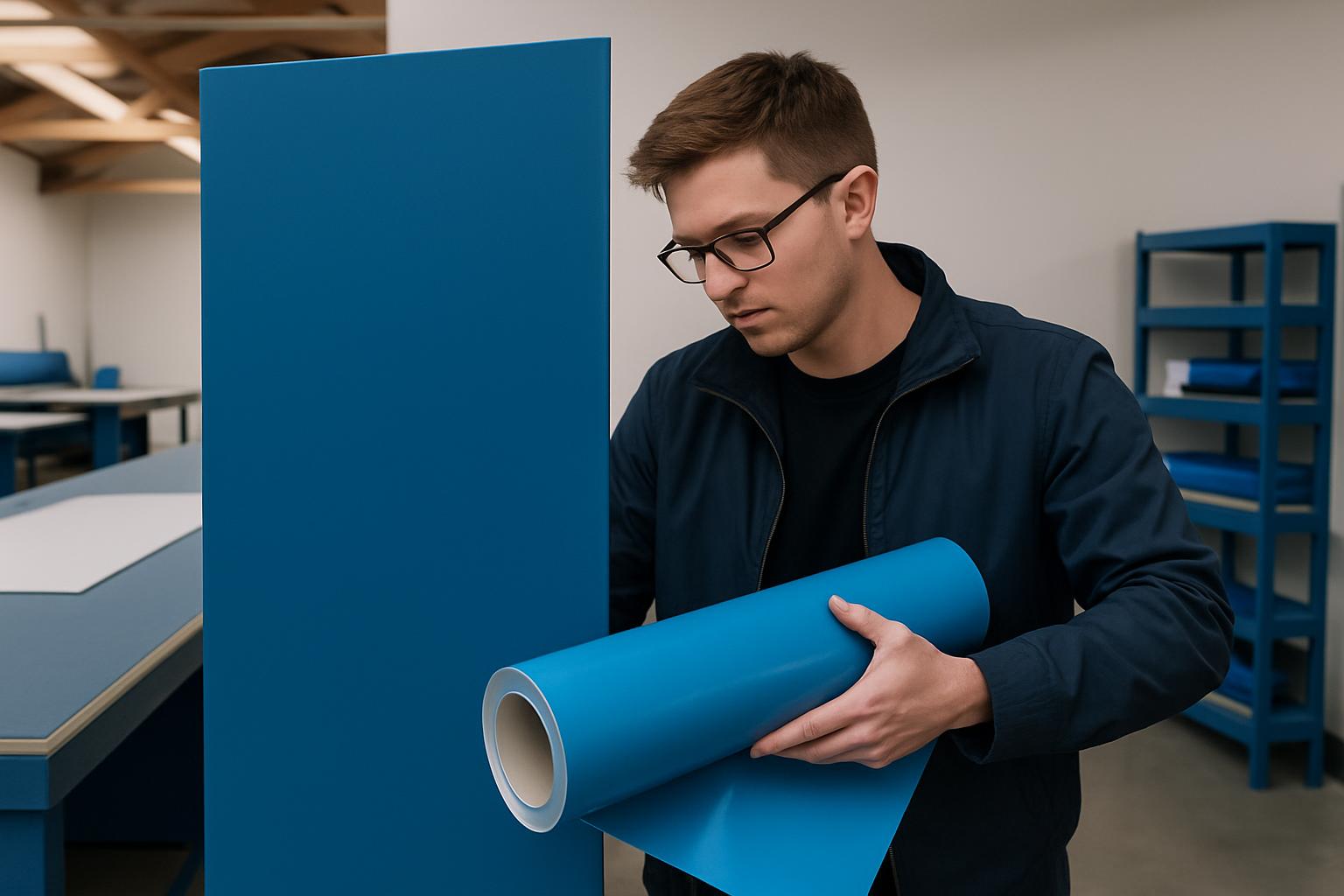
Grouping equipment and vinyl by project helps keep the workflow clear. For example, storing rolls upright near the print area, and positioning cutters close to both storage and install prep tables, prevents traffic jams. This efficiency becomes more important when you consider quick turnarounds for branding updates common in retail or automotive installs.
If your signage crew serves multiple clients, separating each order’s material in clearly labelled zones can prevent costly mixups. In our experience, a tidy, mapped-out bay reduces both scrap rates and installation errors, especially during peak periods like campaign launches or branch refurbishments.
Crew Roles and Their Path through the Week
Each signage project moves through defined steps and requires clear roles from Monday cut to Friday install. In a typical South African signage crew, you’ll have a lead installer, vinyl cutter, prep runner, and a quality checker. The lead installer coordinates workflow, making sure all prints and cuts meet specification before they leave the bay.
Midweek sees the cutter and runner working in tandem, measuring, trimming, and prepping panels while managing offcuts for safe disposal or recycling. The quality checker inspects every processed batch, looking for imperfections or incorrect backing. This loop keeps the install queue moving and jobs ready for dispatch.
On install day, roles shift. The prep runner loads the van and the lead installer oversees onsite mounting, normally supported by a second pair of hands. If extra adjustments are needed on-site, you're expected to flag issues before final sign-off. Documenting each person’s main actions by day helps reduce confusion and late-week stress.
Which Picks Pair Up for Proper Flow
Choosing the right pairings of vinyl types and core tools ensures a stable, efficient workflow. For example, pairing cast vinyl with a heated roller and precision trimmer means fewer bubbles and a tighter finish, especially in Gauteng’s changeable weather. For composite panels, aluminium rails and magnetic squares speed up measuring and reduce waste.
A practical approach is to keep squeegees, surface cleaners, and replacement blades grouped in labelled bins within the appointment bay. This keeps daily work practical and limits downtime. Double-check that digital prints, application tapes, and surface prep kits are packed for each project, particularly when switching from vehicle branding to in-store signage.
Techs often develop their own routines for setting up. Where possible, standardising which picks you use for which material can cut down on retraining and slip-ups. Think about maintaining some flexibility for custom work, but always return tools to their marked bays at close of day.
Local Constraints and Crew Adjustments
South African signage crews work with a range of constraints, from variable power supply to occasional late material runs from importers. Power cuts can delay print jobs or curing, so organising install weeks around a backup schedule is essential. Have battery lights and manual tools ready, so work can continue during unplanned outages.
Local regulations on fire safety and waste mean that most trade bays must separate flammable solvents from vinyl and composite offcuts. Crews should keep safety kits and spill containment packs within easy reach, especially when sites are shared with other contractors or during public-facing installs.
Urban deliveries can run into traffic, affecting timing and site windows. Seasoned crews plan around Gauteng or coastal congestion, booking after-traffic appointments and keeping clients updated. When rain hits, waterproofing all panels before they leave the bay prevents last-minute setbacks, which saves time and reputation.
What our Starter Kit customers say
Verified Google reviews
Tell us about your bench
Share the bench you run and the week you are packing for. Sunnyrock replies with a considered shortlist, not a megacatalogue.