
Station
School Makerspace: Weekly Flow, Kit Pairs, and Crew Roles
The School Makerspace station page is your practical guide for running a robust makerspace programme at a South African school. Here you will find a clear weekly path, suggested kit pairings that suit local curriculum needs, and a breakdown of crew roles that takes your usual staff and learner numbers into account. This playbook is adapted for trade buyers, suppliers, and school project leads who want hands-on learning in settings from STEM classrooms to after-school clubs. ByThis focuses on pairing the right making kits with manageable weekly plans and authentic team roles, all built on direct field experience from Gauteng and KwaZulu-Natal. Prepare your space, allocate your crew, and select kits that work for your constraints, all in one guide.
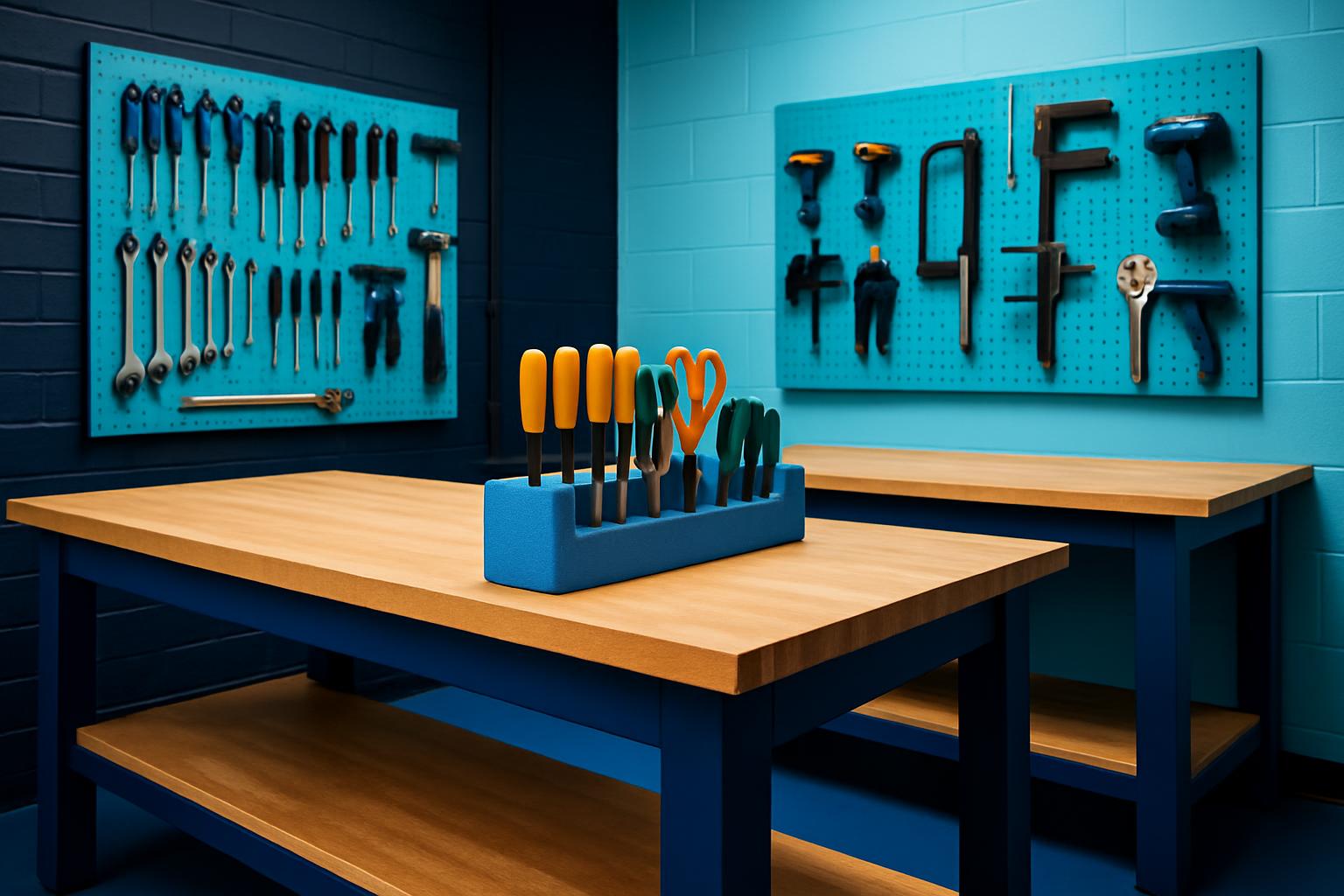
Your Path Through a South African School Makerspace Week
A typical week in a South African school makerspace blends structured activity with open-ended exploration. On Monday, lay out the core objectives for the week alongside any safety notes relevant to the current kit rotation. Tuesday and Wednesday are hands-on: students are introduced to the kits, split into workgroups, and guided through core build steps. Thursday is for testing and iteration, where learners adapt and problem-solve. Friday rounds off with a short show-and-tell or review, making space for peer feedback and next-week planning.
Align these sessions with your school timetable and available crew, keeping your own staff ratios and room usage in mind. Makerspace weeks often run best with appointments booked in advance, ensuring kits and supervision are ready for each group. By mid-term, you might see routine cycles settle in, reducing preparation time and giving students more ownership of their work areas.
Class sizes in South African urban schools usually vary between 18 and 36 learners. Adapt your weekly plan by grouping learners into pairs or small teams, sharing kits to stretch budgets without compromising experience. Some schools include Saturday sessions for enrichment, especially before open days or showcase events.
Kit Pairs for School Makerspaces
Choosing kit pairs for a school makerspace is not just about price, but about linking curriculum outcomes with reliable hands-on material. Robotics and electronics kits work well in tandem, letting students build simple circuits before moving on to programmable bots. Where possible, stock both consumable kits like cardboard prototyping packs and durable kits such as aluminium frame sets.
ByThis pickers recommend pairing vinyl weeding lanes with compact laser focus kits, CNC first-hold-down sets, and DTF press trays to bridge life skills and trade STEM. Popular combinations include vinyl weekend packs with transfer tape, or CNC softwood bit boxes with foam shadow boards. When ordering, consider kits with spares and versatile components that support repeat use year-round.
South African schools with tight budgets have found success alternating kits by term to avoid rapid wear. For example, term one could be coding and engineering, while term two shifts to environmental science kits.
Always check for SABS approval on electrical kits and clear instructions in English and isiZulu or Afrikaans, to ensure accessibility across your cohorts.
Crew Roles and Local Constraints
A strong school makerspace needs clear crew roles, especially when kit storage, supervision, and maintenance are shared across a few staff. Appoint a Makerspace Lead, usually a science or technology teacher, who manages kit inventory, weekly objectives, and reports back on kit condition and usage. Support staff can handle equipment prep, basic repairs, and set up each kit station in the appointment bay before learners arrive.
Student helpers, if your school allows, can rotate as Kit Monitors to track which kits are in use and flag missing parts. Older students often act as peer mentors for younger groups, especially in coding and robotics sessions. Training for each crew role should include local safety rules and kit handling guides.
Work within your staffing limits. Many schools assign one class assistant or security monitor to help with traffic in and out of the appointment bay. Space constraints in township or urban sites mean it's sometimes necessary to convert a classroom or convert a storeroom, and you're encouraged to clearly signpost the makerspace with kit safety posters.
When specialist suppliers visit, ensure all kit handling happens under your direct crew supervision. This keeps your learners safe and ensures the right support if there's a kit malfunction or part missing.
What our Starter Kit customers say
Verified Google reviews
Email the ByThis shortlist team
Tell us the city, the station sentence, and which pick you already tried. We reply from Sunnyrock with a shortlist that fits the week ahead.