
Stations
Laser Night Shift
Night-shift laser hours with extraction and fire cues that stay visible.
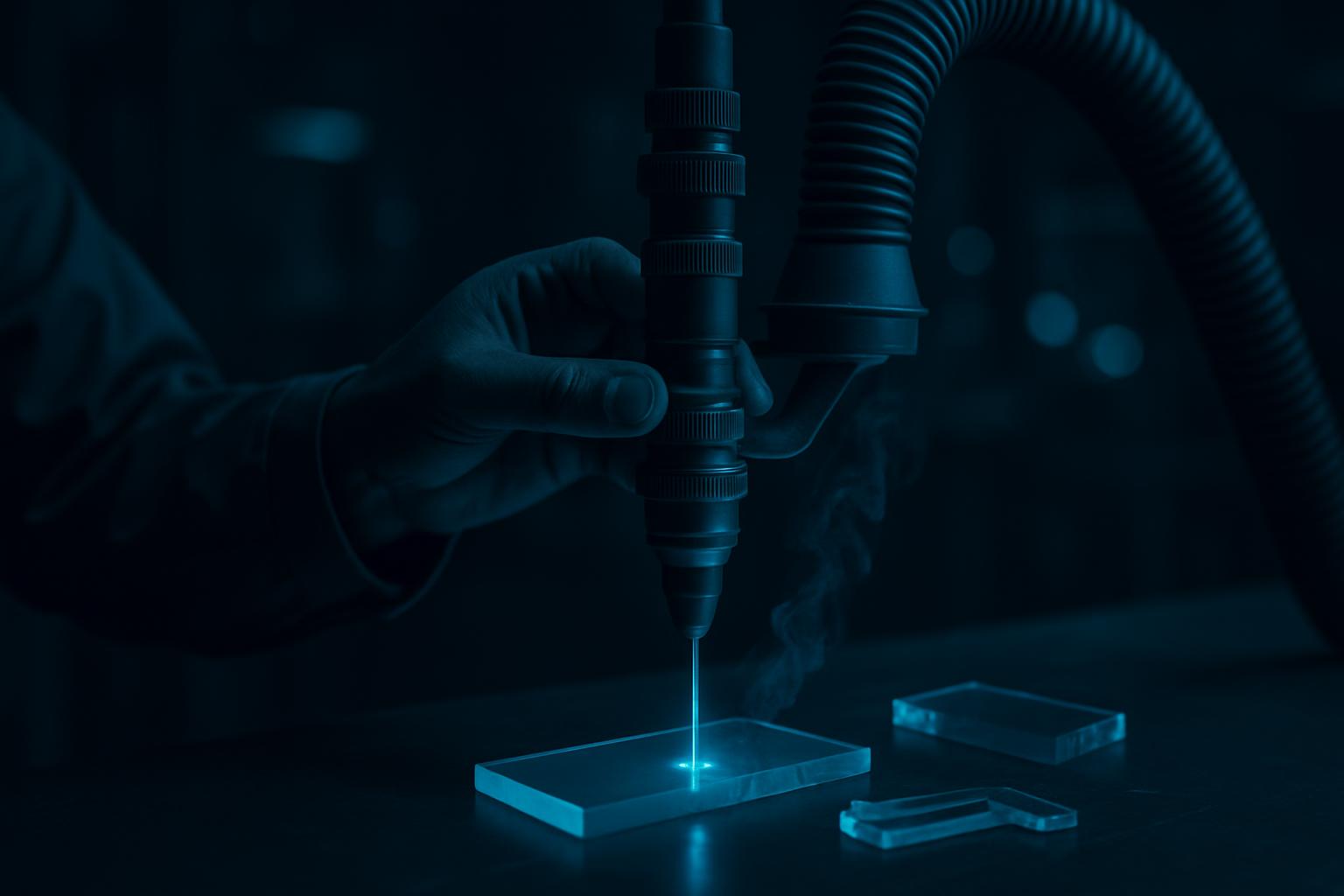
Why Laser Night Shifts Need Extra Planning
Across the Highveld and coastal yards, laser benches are earning their keep long after sunset. In Germiston and Cape Town, mall trade bays are running night shifts to hit deadlines or take on urgent signage jobs for mall corridors. Unlike daytime work, night shifts change how you see hazards. Extraction, smoke, and work cues need to stand out in low light, especially during power cuts when backup lighting is stretched.
ByThis doesn't just ship catalogues. For night-shift scenarios, we pick station kits built around South African realities: 230 V mains, overnight conditions, and quieter ambient airflow. It's easy to overlook a fire cue that's faded in the corner, but you won't miss it here. Setups are ready for stretch hours and short-turn jobs, not just the easy afternoons.
Bench Picks: Laser Kits and Care Calibration
The Laser Night Shift shortlist pairs two essentials: the laser-bench kit and care-calibration. Together, these cover what your crew needs from shift start to early morning. The bench kit focuses on extraction with cues that stay visible even under low-watt tubes or basic LED floods. Fire alarms and airflow indicators get placement guidance for real benches in places like the Sunnyrock Trade Yard, not just ideal demo rooms.
Care-calibration isn't just nice to have, on night shift, it's what keeps alignment from drifting when the building cools around 2 a.m. (and it always does in mid-winter). You're not just running a machine; you're managing risk and uptime, and it pays to check optics between runs. Your team's rotation might include a lead operator and an FET college student learner, they'll both know where to look and what to log with this pack.
Crew Roles and Routine for Night Operations
A typical laser night team in a trade bay at Cresta or Boardwalk runs with two hands: the main operator and a spotter. The operator loads files, aligns sheet aluminium, and monitors the cut, while the spotter checks extraction flow and keeps a watch on fire cues. No frills, just a message through our contact form if the heat tape reads high or a visible cue flashes red.
Shifts usually run five to six hours, with scheduled breaks every two hours. It's a lot easier to miss a blocked exhaust when you're tired and the yard outside is still. Keeping cues at eye height, using reflective strips, and doing quick smoke checks on quarter-hour is standard. These small routines prevent big mishaps and keep production safe, even when the office block next door has turned off its last light.
What our Starter Kit customers say
Verified Google reviews
Ask Sunnyrock for a shortlist
Name the job on the floor and the city. We answer from Germiston with vinyl, laser, CNC or DTF picks that fit.