
Coastal DTF notes
Humidity cues for Durban garment decorators.
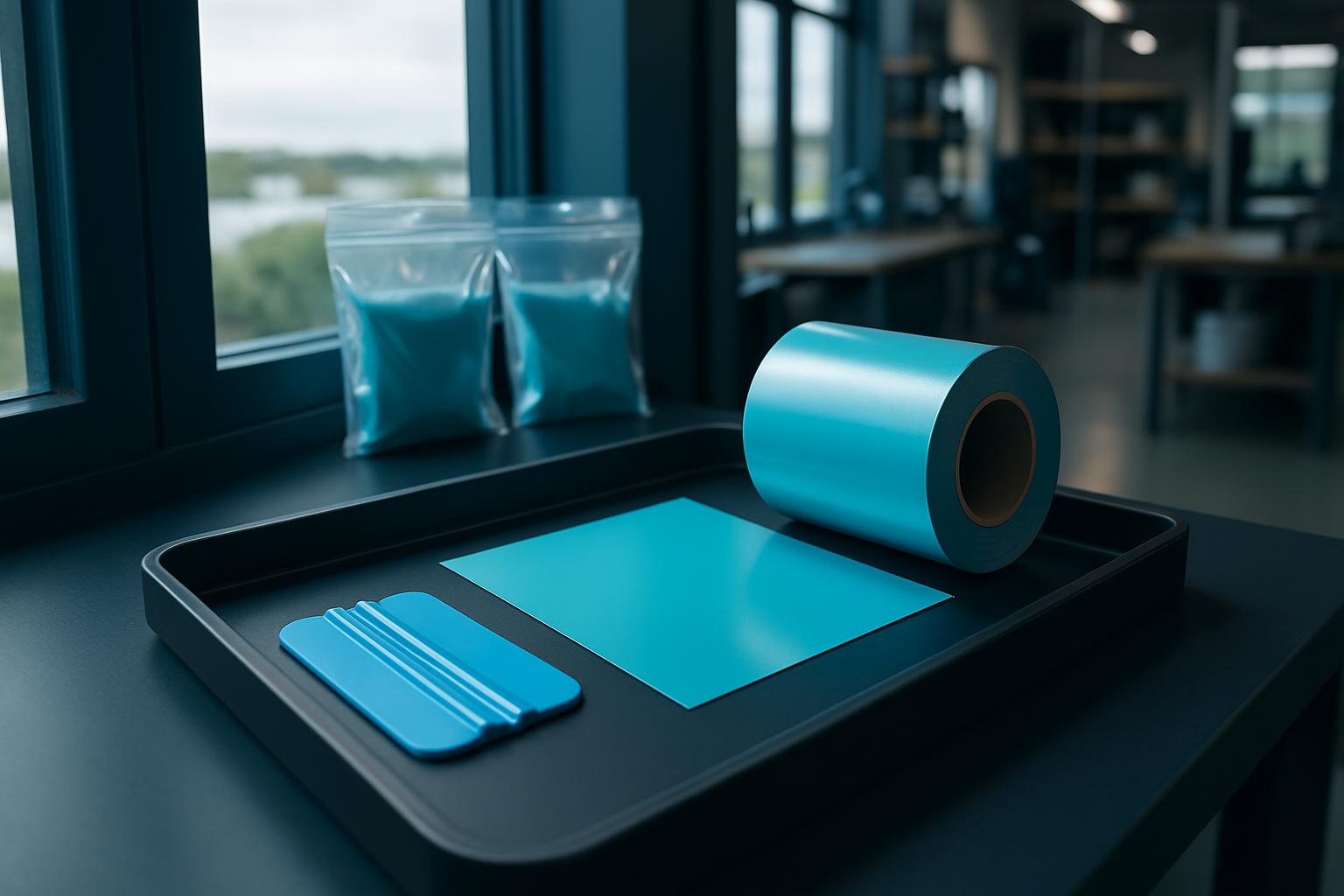
Spring 2024: Durban’s DTF Print Challenge
Direct to film (DTF) stayed steady in Gauteng through winter's dry months, but the humidity curve shifts sharply once you move to Durban and other coastal hubs. ByThis reviewed print shop rounds from Springfield Park to Ballito and found morning condensation and late afternoon humid spikes played havoc with print clarity and powder adhesion. Local decorators say their best-run jobs early in the week, Monday through Thursday before the sea mist gets stuck inside workshops.
What changed most recently is the swing in average RH (relative humidity) from 65 up to 90 percent between September and early November. This throws off both powder flow and film flatness, especially when you’ve just switched on a closed-up print station after a humid Durban night. One operator from a station near the N2 said it’s not unusual to see powder clump in feeders and films attract dust even when you’re using commercial air filtration.
Adapting Kits for the Coastal Air
Most coastal printers now add a sealed powder tub rather than relying only on the hopper. Keep powder in closed storage, and check twice per shift for signs of clumping. Dehumidifiers rated for at least a 35 square metre room are standard in DTF setups from uMhlanga to South Coast mall trade bays. If you're running overnight, careful scheduling prevents pooling condensation on feed rollers, just ask any Durban FET team prepping uniforms before a public holiday.
ByThis kits match these coastal needs. You can request your kit divided for multiple print benches, especially in shops with a coach line between print and cure, like some we saw near Gateway’s food court entrances.
Who Needs to Adjust?
Plant buyers in humid zones face the most setup calls. Sites with open roller doors or next to carwash bays (seen at malls like Boardwalk and Riverside) are hit hardest. DTF team leads and managers for retail uniform contracts, promotional garment shops, and events turnarounds all reported a spike in powder ‘stick’ complaints during September’s storms. Even if your work belongs to the upcountry routine, a surprise move to the coast, say, for a December pop-up in Margate, means a pre-check, or you'll find transfer sheets curling after lunch.
It’s worth noting: some print benches (especially older 450 mm models) are less forgiving. Consult the shortlists from ByThis for what aligns with real Durban conditions, instead of picking from a Gauteng-oriented catalogue.
Next Steps for South Coast Print Teams
co.za. The ByThis team reviews your shop layout from Sunnyrock in Germiston, checking for high-humidity setup, space for vented racks, and walk-in moisture levels. You receive a starter shortlist tailored to whether you're near the coast or further inland. When approved, you'll get install notes if delivery runs direct to your trade entrance, or collection cues if you prefer to fetch kit from the Germiston yard. For bigger plant installs, say at a Durban mall trade bay or regional FET block, ByThis organises a local tech to run a one-hour commissioning step.
For all teams, the coastal DTF notes remain a must-read cue sheet. Confirm settings before each season swings, Durban’s humidity never waits till you’re ready.
Tell us about your bench
Share the bench you run and the week you are packing for. Sunnyrock replies with a considered shortlist, not a megacatalogue.