
Print Finishing Kit care
Quick, practical care steps for keeping your Print Finishing Kit working week after week in South African conditions.
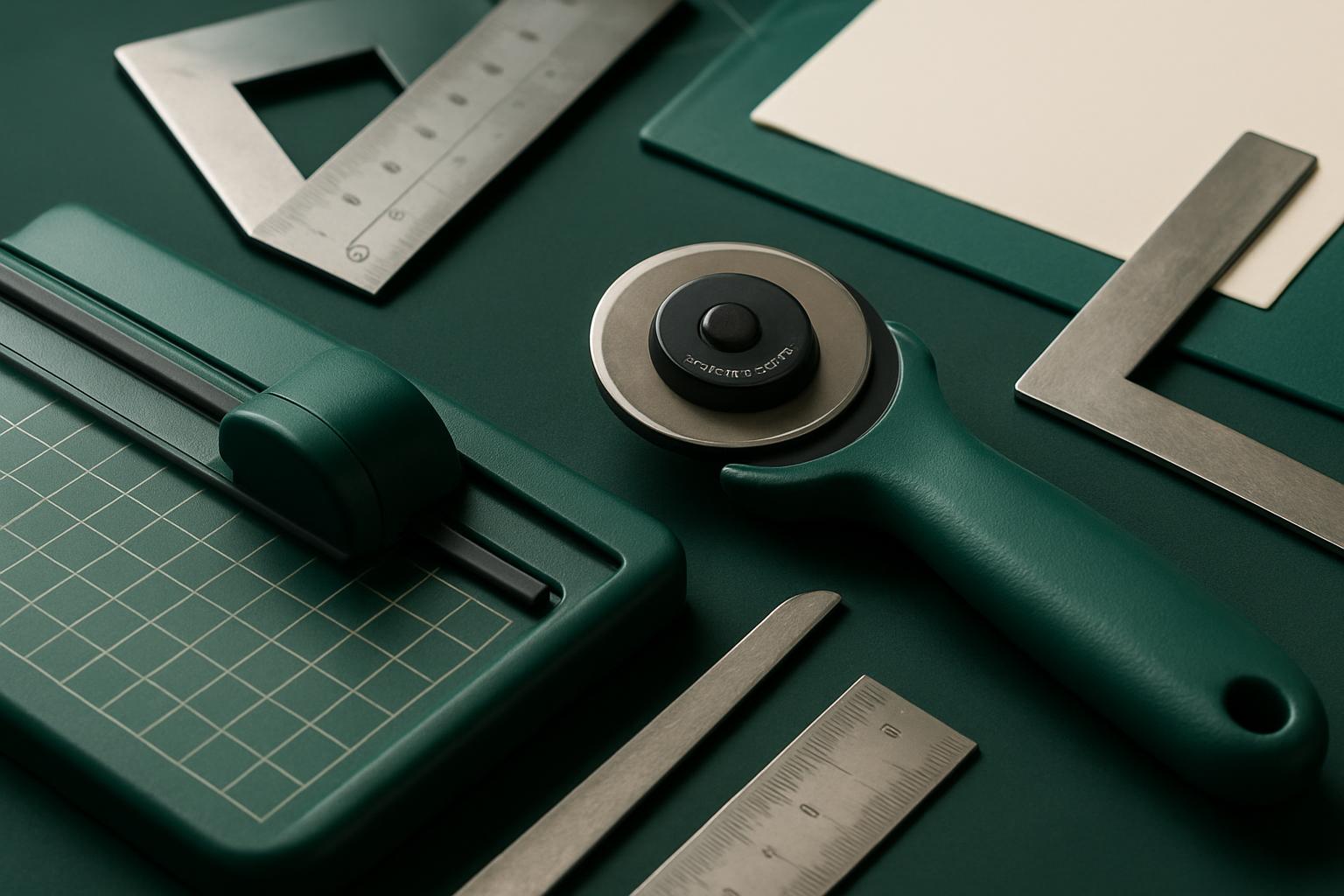
Print Finishing Kit care is crease wheels, blades, and square edges back in shadow foam. Use the care ritual card so Saturday market packs do not steal the bone folder. Use our contact form.
Daily checks on finishing tools
Start every morning by wiping down your guillotines, creasers, and laminators with a lint-free cloth. Germiston yards and Highveld shops get plenty dust, especially around open loading bays or neighbouring steel works. Dust buildup clogs rail guides and dulls blade edges fast. Check pressure rollers and feeder trays for offcuts and sticky bits, it's tempting to let them be, but those turn into snag hazards quickly.
If you’re running a shop in Gateway or Tyger Valley where coastal humidity sneaks in, watch for light condensation on aluminium guides after cool nights. A quick once-over keeps your bearings smooth. It’s a good idea to check all power leads and plugs for nicks or fraying every day, especially after shifting benches mid-week.
Finishing fluids, like anti-static wipes or adhesive removers, should be capped and stowed upright in a marked tub. That’s something a lot of first-year teams miss.
Weekly maintenance, don’t wait for breakdowns
Every Friday, run a deeper clean. Strip down feed guides on laminators and clear out scrap corners under the creasing table. Grease any marked service points with non-staining lubricant, some shop teams use old oil, but stick to what your supplier recommends.
Test the emergency stops, reset buttons, and that the safety shields still move freely. For print finishing cutters, check the blade locking nut tightness, especially if your team rotates operators between morning and afternoon. In mall trade bays at Cresta or Menlyn, busy weeks mean more fingerprints, so clean handles and interface panels with electronics-safe spray.
Store unused blades and finishing pads in closed drawers to keep out both grit and ambient moisture.
Managing humidity, dust, and power cuts
South African weather swings are tough on finishing gear. In Durban, salt air eats blade housings quicker than you’d think. Inland, dry air pulls static that draws dust straight into paper paths. Run a dehumidifier if your station sits within 20 metres of a roller door on the coast.
For Gauteng, look for telltale red dust under the platen, if you find any, increase your cleaning schedule midweek. Unplug all finishing machines during power cuts to prevent brownout damage.
Label off-grid storage bins clearly so everyone knows where to stash cables or removable trays during outages. It’s simple, but missed often.
Monthly checks and safe storage routines
At month-end, inspect all drive belts, tension springs, and check alignment of creasing dies and trimmers. If you spot uneven wear, order spares before it slows your next run of jobs.
Wipe down all external surfaces with a slightly damp microfibre cloth, then dry before closing up for the weekend. Clean air filters on any vacuum or suction tools found in your finishing kit. If you’re in a smaller FET college or light-industrial zone, don’t skip this, trapped debris leads to premature motor wear.
Update your care log in a shared notebook, so every operator knows what's been checked and when.
What our Starter Kit customers say
Verified Google reviews
Book a showroom look
Write through our contact form with the showroom city and the kit family you want to see on the bench.