
DTF Garment Kit care
Practical care steps for your DTF Garment Kit, built for South African shop floors.
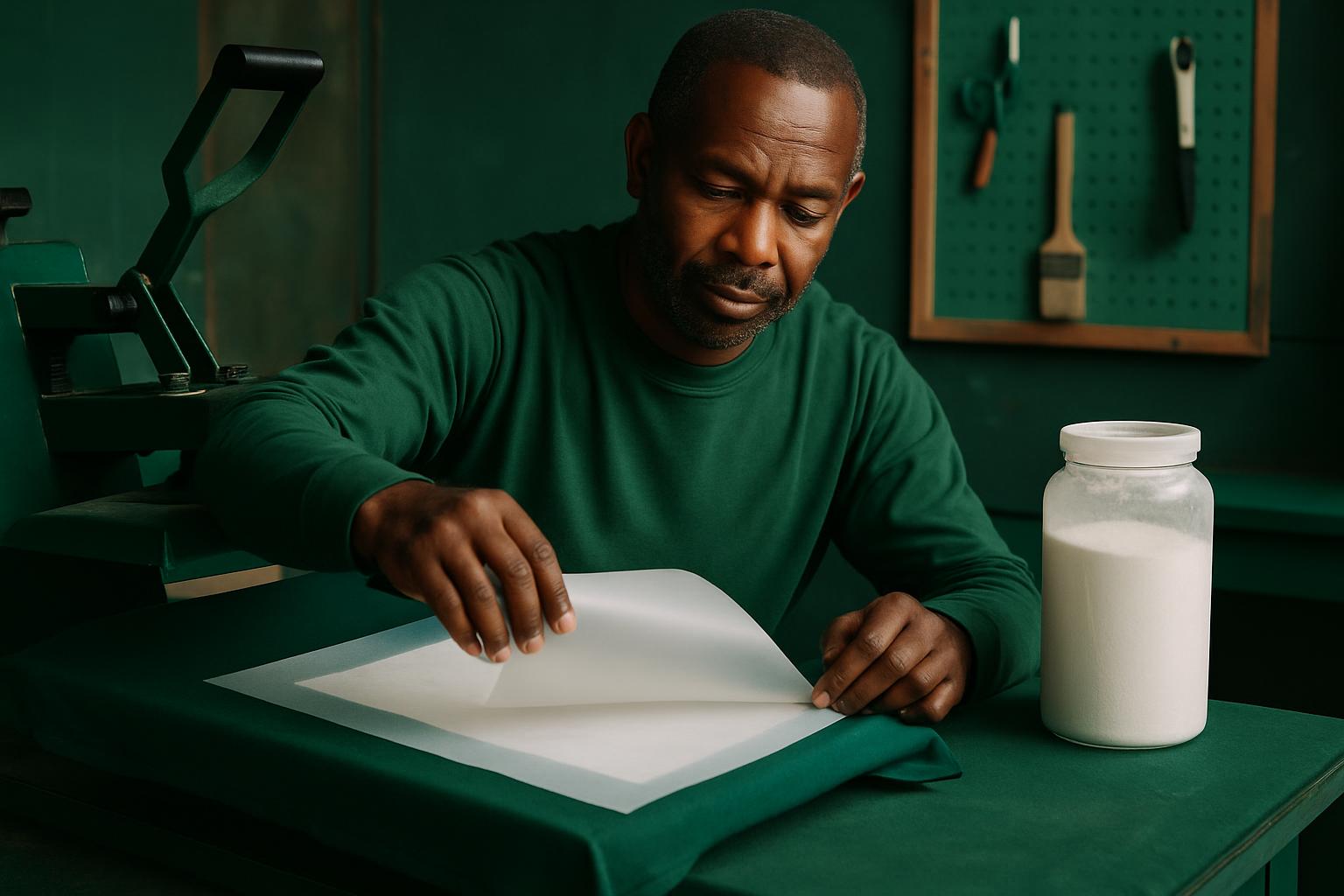
DTF Garment Kit care starts with sealed film bags and a dry powder jar. Coastal shops should read the humidity press card in resources before the Friday rush. Use our contact form.
Daily Care: Prepare and Protect
Open up your morning with a dry wipe-down across the DTF printer’s feed tray and film loading area, Highveld dust gets everywhere, even in winter. Use a lint-free microfibre cloth, not an old t-shirt. While prepping films for a Menlyn, Cresta or Riverside batch, always check for stray fibres or grit. Before heat pressing, double check the platen’s surface. In coastal humidity, dry storage is twice as important, seal powder containers, and don’t let your transfer stack stay out between prints. If you're topping up ink tanks, finish with a quick nozzle cleaning cycle to avoid any clog next time.
Weekly Maintenance: Clean, Inspect and Store
Once a week, take a proper half hour to clean the DTF print head and cap station with manufacturer-approved wipes, especially after extended runs for mall unit orders in Tyger Valley or Gateway. Empty any loose powder from the film loader, as that fine residue loves to build up in damp corners. Wipe all rollers with soft tissue, and check that your film alignment arms are clear of any sticky ink. Humidity creeps up in coastal shops, so use silica gel packs or mild desiccant in covered kit bins.
Monthly Checks: Keep Output Sharp
Every month, give your DTF kit a closer look, especially if you run FET college training days or handle mixed-batch orders from yard to yard. Check the heat press’s rubber pressure pad for cracks or warping, not just hot spots, it’s a small thing that’ll cost a lot if missed. Lubricate any moving steel arms on your powder shaker with a silicone spray rated for aluminium. Monitor belts and cabling for wear, especially around Sunnyrock yards where trolleys and packing crates move through every day. Always test one transfer on a waste garment before running new production jobs, just to catch small nozzle banding or misalignment you might miss in a busy week.
Weather and Storage: South African Realities
Shop floors near coastal trade bays like Gateway usually fight off humid air, keep film and powder sealed in their original containers, and store unopened sheets flat in a cool cupboard. On the Highveld, dry air means dust builds up quick, so regular surface wipes on your print bay are essential. During power cuts, don’t leave film mid-print, finish current jobs, park the print head, and unplug at the socket. In Germiston or Sunnyrock yards, always store bulk inks and powder off the concrete, use a shelf or treated pallet to keep boxes dry during storm season.
Keeping Trade Rolling: Reliable Kit for Your Crew
South African shops rely on practical kits that fit the work week. At ByThis, trade buyers email their bench or plant spec list through our contact form. It’s reviewed at Sunnyrock, matching your order profile to a DTF garment shortlist, no guesswork, just a pick that fits your actual station layout. Once you sign off, we ship to any Gauteng, Durban, or Cape metro site, or book an install window for yard teams who want a bench-ready setup. Every DTF station comes with concise care notes in the box, so your crew can keep output sharp after day one.
What our Starter Kit customers say
Verified Google reviews
Email the ByThis shortlist team
Tell us the city, the station sentence, and which pick you already tried. We reply from Sunnyrock with a shortlist that fits the week ahead.