
CNC First Kit care
Keep your CNC First Kit running smoothly with the right care routine for South African workbench conditions.
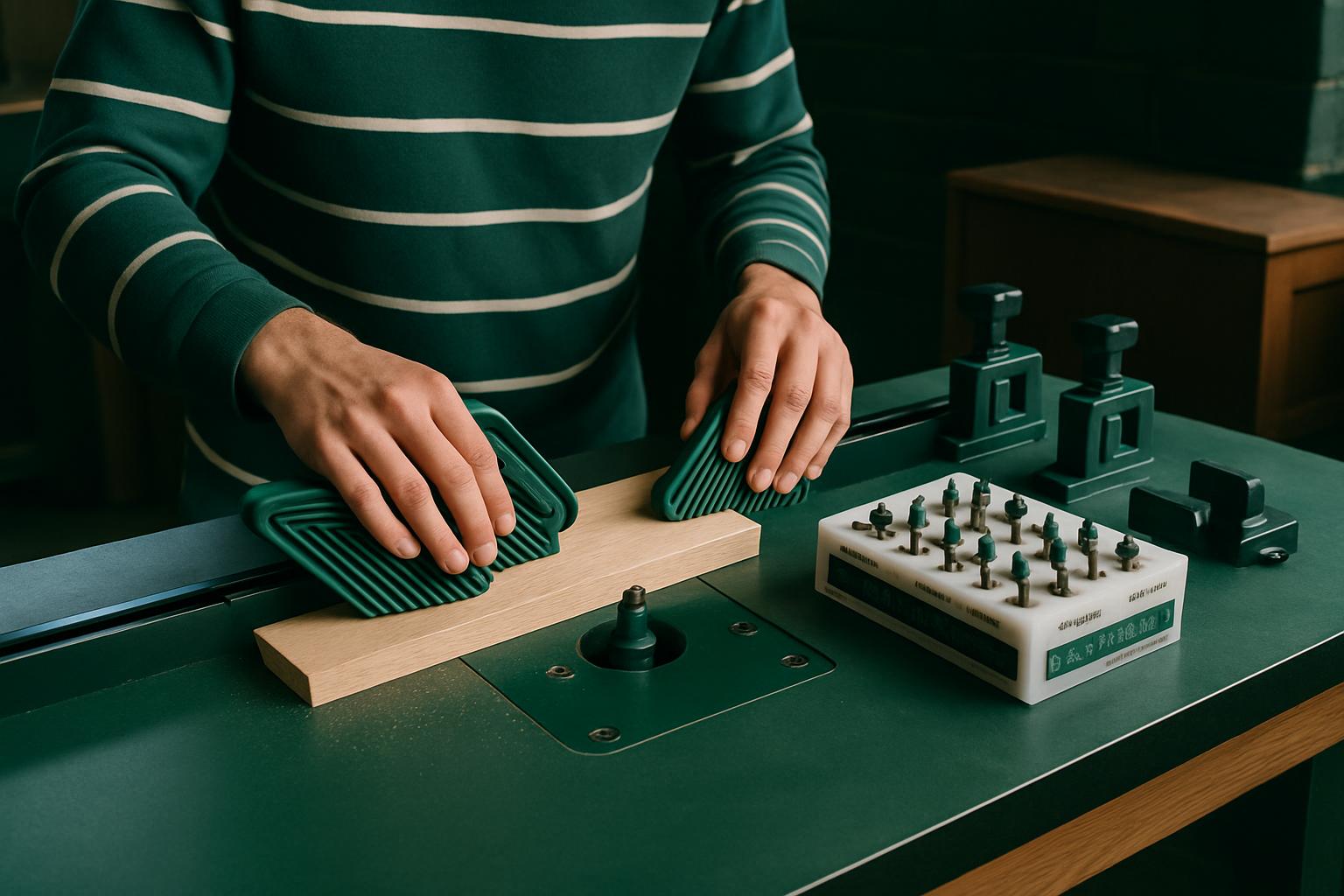
CNC First Kit care is mostly about bit edges, collet grit, and hold-down wear. Link the morning ritual, then tell us through our contact form which softwood chewed the last 1/4 inch bit. Use our contact form.
Daily checks in the shop or yard
Before you open up the roller doors in Germiston or at the Tyger Valley trade bay, start with a quick inspection of the CNC’s rails, work table, and spindle. Highveld dust never gives you a day off, so it settles overnight. Wipe down rails and surfaces with a lint-free cloth, not the cotton ones that leave fluff all over. Vacuum around the machine to keep fine debris from building up, especially if you're cutting MDF, Supawood, or pine boards. Check for loose covers or stray offcuts in the enclosure. Don’t just rely on compressed air, as it blows more dust into motors and bearings.
Give the controller a quick look for any loose terminals or cable ties coming undone. Keep an eye out for any sign of coolant pooling, it can cause issues with both wood dust and local humidity.
Weekly: deeper clean and lubrication
Once a week, focus on the motion sections. Wipe lead screws with a clean rag lightly soaked in machine oil, don’t drown it, just enough to catch the grit the week left behind. For linear rails, use manufacturer-approved grease. Move the gantry by hand (power off at the breaker) to work the grease into tight spots.
Check belt tension with a small hand scale or by thumb pressure. If you miss this step, you’ll hear a jump or feel backlash on jobs by day three or four. Clean out the dust extractor bins and clean the filter if you’re running a dedicated duct (especially in coastal shops, salt in the air sneaks in). Make a quick backup of the current job queue and config files, a power cut can corrupt memory and that’s not what you want on a deadline.
Monthly: full check and humidity control
Every month, plan an hour to go over alignment and set-square the work surface. Bring out your machinist’s square and check that the spindle isn’t shifting over time, floor slumps in an older Germiston block can creep in. Check cable trays for wear or mouse nibble, and resecure anchors on mounting brackets. Open control panels and brush out dust with an antistatic brush. Double check grounding: a missed earth in wet winter months at Boardwalk or Riverside can lead to weird resets.
If your site is near the coast, Gateway or Tyger Valley, humidity creeps into steppers and softwood workpieces. Run a dehumidifier overnight in enclosed shops, or silica pillows in control cabinets. For power cuts, it’s best to power down at the DB board, unplug, and wait till main supply stabilises before restarting. Log odd noises, drift, or step losses, and report them before a small issue kills a week’s work.
Storage, spares, and keeping your kit ready
Store spare collets, V-bits, and clamps in labelled, sealed tubs out of direct sun. If you use water-based coolant, flush it monthly and dry out hoses before public holidays. Keep one spare VFD fuse and a set of stepper couplers, you’ll use them, probably during a busy season. Machines stored in Sunnyrock Trade Yard need a dust sheet and a check every two weeks for insects or corrosion, especially in winter. Mark a calendar for filter changes; if you miss it, your vacuum drops off and you’re left with a mess under the rails.
What our Starter Kit customers say
Verified Google reviews
Get a practical pick reply
One email with your city and the work on the week. We send a short list that matches how SA shops actually run.