
Mr Hemant Lutchman · Stations lead
When to skip a shiny tool
Saying no to catalogue noise so your team can keep benches practical.
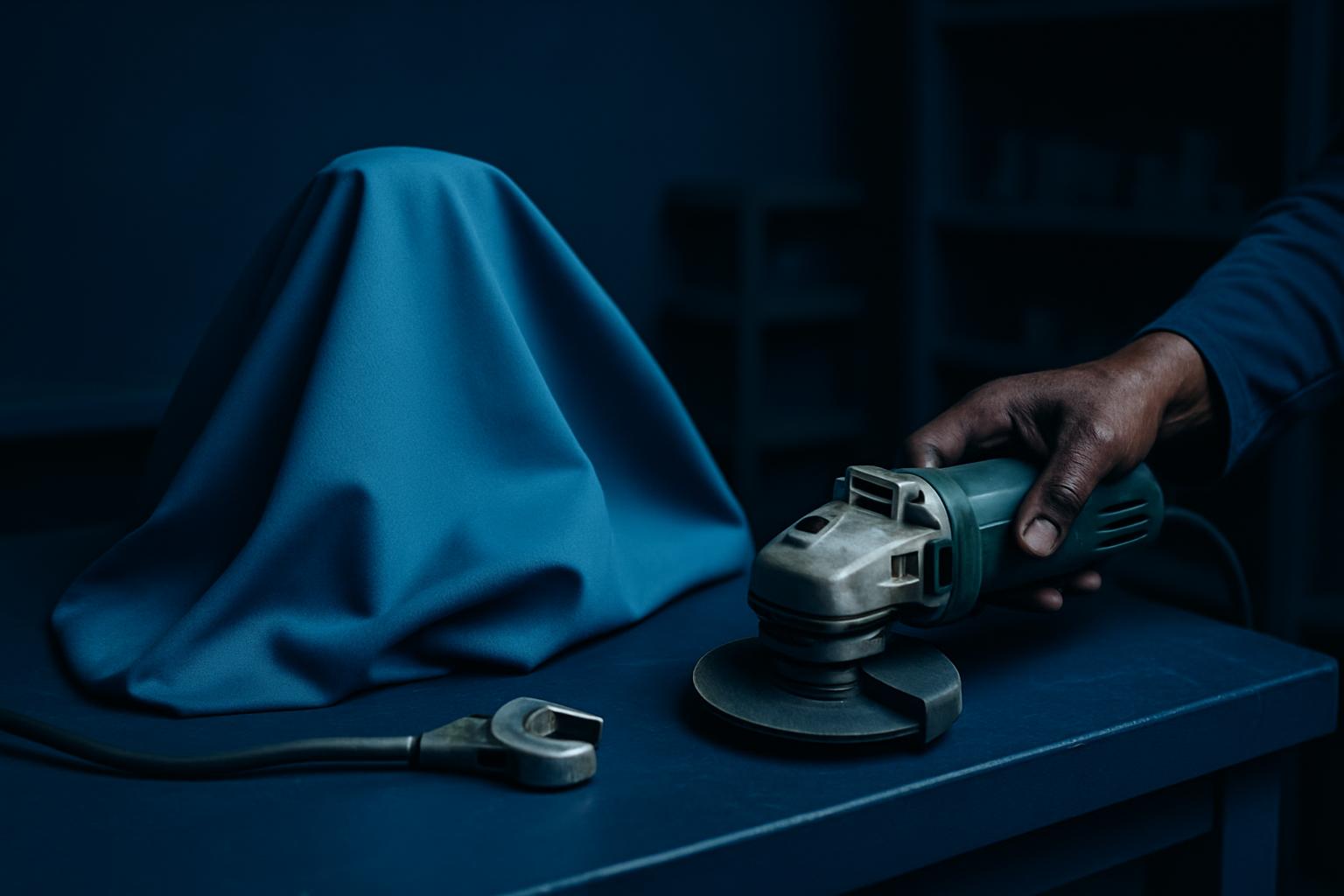
The Real Cost of Overloading Your Bench
Every year, there's some glossy new cutter or flashy engraver dropped into the group chat by a rep. It’s tempting, sure. But too many shiny tools can mean more downtime than work, Highveld dust in the fan, another cable to fight through power-cut hours, one more set of instructions your apprentice must learn before Friday. SA shops from small mall bays in Cresta to trade yards in Germiston know extra kit costs more than just rand. It swallows bench space, ties up callouts, and rarely fits your exact daily run rate.
On the factory floor, every item takes up cleaning minutes and circuit space, and that's time away from real production. It’s not about how sharp that tool looks in a catalogue, it's about how well it’ll hold up to a February shutdown when humidity is peaking and your team is still prepping order boards.
Why Catalogue Bloat Happens in SA Workshops
South African supplier catalogues run thick with global models. Some are specced for European conditions, not our combo of power cuts and Kimberley grit. Shopfitters in a Boardwalk trade bay won’t need the same trimmer kit as a high-volume Paulshof sign writer, or at least, not all the same frills.
The pressure comes from seeing what your competitor just posted, or handling a tool in a Tyger Valley demo, thinking it's the missing piece. Truth is, a lot of gadgets just aren’t practical for the jobs most local benches actually face, especially for first-year teams.
Build a Practical Filter: The Shortlist Approach
Rather than chase each shiny launch, start with hard questions: Does this tool solve a daily problem, or is it just filling a gap no one really noticed? Does your shop have at least three jobs a week that demand it, not just want it? Choose tools with easy parts supply and maintenance, if it needs a board sourced from Jo’burg every month, it’s not for your current setup.
In Germiston, a plant manager shortened the quote list by reviewing which laser bench gear could run three solid jobs without tripping or gumming up from dust. Shop stewards at FET colleges keep kits tight by benchmarking against scheduled practicals, not marketing hype.
- Check parts and repair support in Gauteng and coastal regions.
- Get feedback from your main operator, not just the supplier rep.
- See if the warranty covers humidity or supply breaks, big for Durban, PE, and Highveld.
- List real orders that need this tool before you commit.
What to Record When Deciding Against a New Tool
Always log why you skipped a tool. Is it the downtime for training? Is it the spare parts wait during a Jo'burg power blip? This record stops next year's buyer from repeating your mistake. Write down who advised the decision, maybe it’s your lead bench tech on Tuesdays, or the plant foreman when the coastal tapwater rusted an aluminium press.
Over time, you’ll build a record that matches real floor patterns, not catalogue promises. The big benefit? Your install jobs run on gear that suits actual jobs and doesn’t trip up on mall site walks or student project weeks.
Quick Worked Example: Sunnyrock Yard Laser Bench
A signage team out of Sunnyrock Trade Yard receives a demo email for a new laser engraver. They skip the flashy tool, record the logic (bench reliability, no pressing job need, power supply safe), and save that entry for next quarter’s review.
That’s the whole case for skipping kit that’s not needed now. It keeps benches steady, lets your team focus on making, and leaves the Germiston yard tidy for when a real upgrade is due.
Email the ByThis shortlist team
Write through our contact form with the showroom city and the kit family you want to see on the bench.