
Ms Thembisa Magagula · Pick editor
Weeding without the rush
How sign writers keep weeding calm on busy vinyl days.
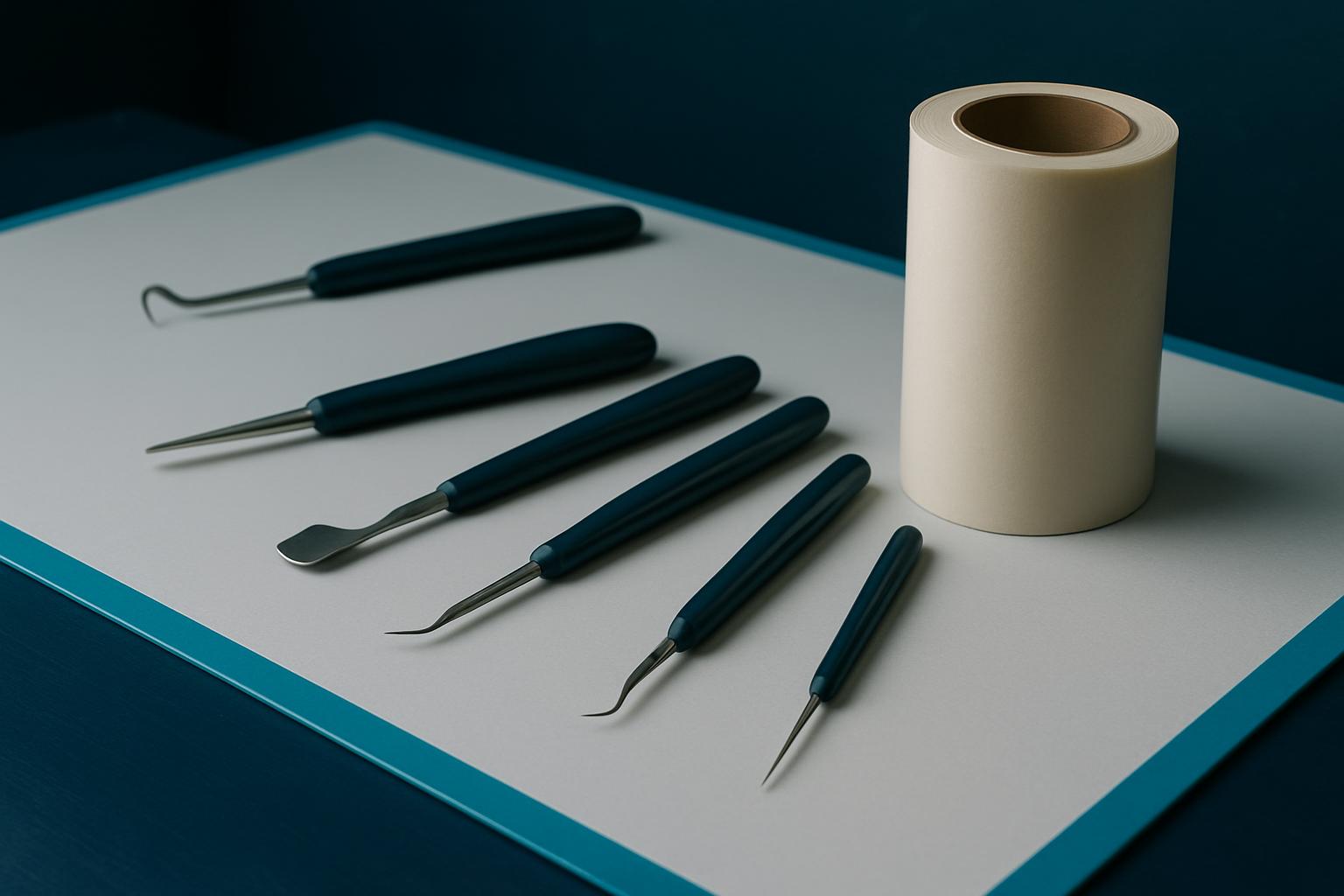
Common Problems: When Weeding Slows You Down
Vinyl sign writers in South Africa know the pressure on big prep days. The vinyl’s cut, it’s on the bench, and there’s a queue for collection at Germiston or rapid install for a Tyger Valley kiosk. But a few hot hours in a dusty shop, or sheets stuck too long under a fan, and weeding gets slow. Fine detail refuses to come free. Bits tear. The bin fills with wasted logos. On tough days, you can spot more weeding tools on the bench than off. New teams at FET colleges especially ask how to stop jobs from piling up just during weeding.
What’s behind it? Here, power cuts can mean rushed draws and thicker adhesive edges. Old scrapings on the weeding mat drag up the backing. Coastal crews know that Gqeberha humidity makes transfer tape curl, even after only an hour out. But most delays on a rushed vinyl day are just too many elements crammed in a small space, and nobody’s keeping to a repeatable routine.
Method: Set an Order for Calm Weeding
A steady routine does more than speed up weeding, it keeps your vinyl waste low and makes it easier to fit this step to the shop’s real rhythm. Start by laying out only two jobs at a time. In Menlyn, one signage team actually numbers each offcut as it’s lifted. Use a clean steel pick and check your blades every five jobs, don’t wait till a tool’s blunt then hope it works for another metre. Push your waste away from the bench after each job, even if you lose a minute. If vinyl’s sticking, pause to check if the sheet’s cold, not just sticky. Warm scraps are actually easier to weed, but alot of teams forget and just keep tugging.
If you’re feeling pressure, turn off the fan for a few minutes to stop static build-up, and check for any bits of transfer tape under the vinyl you missed. Shop supervisors at Cresta recommend cross-checking the first job of each day against the day’s order form, you don’t want to rush three panels just to redo one for colour swap.
What to Record for Fewer Mistakes
Tracking basics can save a whole week of frustration. Keep a small notebook or spreadsheet to record when each batch was cut, which tool you used, and any issues. Mark jobs with date, vinyl code, and blade age. In Riverside, a two-person shop puts each batch’s details on a board right above their bench. If static or humidity tripped you up, jot it down, and circle the job if you had to redo, no need for fancy systems.
By month-end you’ll notice which conditions slow your team, and when you actually get fewer tears or stuck bits. You’ll see if your’re swapping picks too late, or if mornings run smoother because the air is drier. Those patterns only show if you’re accurate and consistent with what you note, even on the busiest Friday.
Worked Example: Menlyn Mall Sign Update
A typical weeding-heavy job: new shop hours stickers for ten mall trade bay doors at Menlyn. The team cuts ten A4 sheets from 5 metres of white vinyl. Each sheet is marked with job number and date as it’s weeded. One junior handles the small letters with a fresh pick, another follows, binning waste continuously. After every two doors, the supervisor checks both tool sharpness and recent notes on humidity and power cuts in the week. They spot a day-old batch with two letters tearing, caused by a blunt blade and a fan left running in the morning.
By recording every problem, the team moves the last four doors’ weeding to a window bench for drier light and swaps picks. The whole job finishes an hour ahead of the last rush because every step was clear and small mistakes were fixed before snowballing.
Ask Sunnyrock for a shortlist
Name the job on the floor and the city. We answer from Germiston with vinyl, laser, CNC or DTF picks that fit.