
Ms Puleng Ngqula · Care and Calibration
Focus before the first job
Laser focus gauges that save scrap on night shifts.
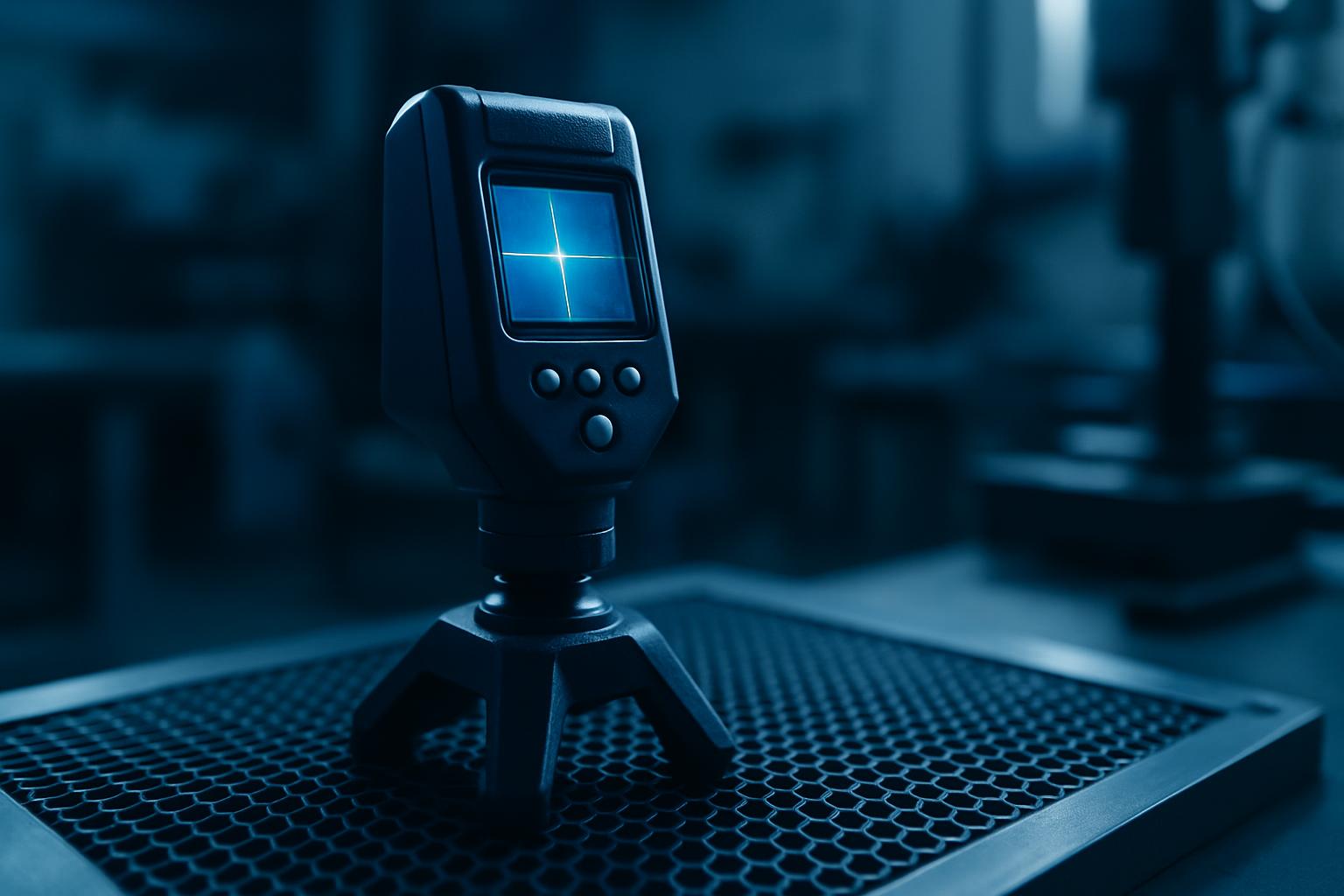
Why focus setup matters more in SA shops
Every sheet of acrylic or MDF counts when you’re running between loadshedding slots and sorting new operators at 7 pm in Germiston. One shortcut with a loose focus gauge costs real rands in re-cuts and scrap, especially after you’ve closed up and the night crew has to finish the school badge run for a Springs FET. SA floors don’t get the climate, or steady power, you read about on overseas forums.
Shops in Tyger Valley trying to push small batch signs before the mall opens already know the score. The real costs are in wasted sheets, not just time. If your gauge is off or misread during setup, you’ll see it right in the bin by morning.
The method: Focus gauge basics for local conditions
Every laser table on the floor, from 40 W desktop units to 130 W CO2 monsters, needs a focus gauge cut to the machine’s actual nozzle-to-material distance. South African shops usually machine these from 4 mm acrylic or aluminium, as wooden ones warp overnight when the humidity spikes in Durban or Gqeberha.
Slot your gauge against the bed and adjust the Z-axis until it just kisses the material, don’t force it, just feel. Confirm one more time: gauges get swapped out or dropped a lot, especially between the day and night shifts.
The real trip-up is rushing. Let the new operator set up one test piece. If it chars or the kerf widens, stop right there, don’t waste the rest of the batch. Record the gauge length in your job log notebook. Write down who prepped it, what time, the thickness, and what gauge was used. It’s easy to lose track if you run more than one machine, or when two operators are using different gauges on the same Cresta trade bay.
What to log before the job goes live
A simple log sheet goes a long way, especially with your shop’s power and humidity swings. After every realignment or new material setup, record:
- Date and shift
- Operator’s name
- Machine number
- Material type and thickness
- Focus gauge length and type (acrylic/metal)
- Any issues (scrap, kerf issues, lens swaps)
When a mistake happens, and it will before you get your first ten runs perfect, you’ll know exactly where the slip started.
Short example: Getting it right at a Germiston plant
Let’s say it’s a Monday night at Sunnyrock Trade Yard. The production manager checks the acrylic supply at 18:00, lines up the 130 W laser, and gives the junior the correct 4 mm aluminium focus gauge. They set the Z height, run a single job card for 10 keyring blanks, and check the kerf with digital calipers. One slot’s a hair too wide. Instead of binning the rest, they flag the setup, wipe the gauge, recheck the lens, and log the issue in the overtime book.
The shift leader reruns the focus check at 19:30 using the same gauge, finds one fibre on the lens, cleans it, and this time the cut’s spot-on. Batch now ships without a hitch, and the log shows what adjustment made the difference, a detail you’re always glad you caught.
Get a practical pick reply
One email with your city and the work on the week. We send a short list that matches how SA shops actually run.